
Posted on

Understanding the Boldenone-Testosterone Stack

The combination of boldenone and testosterone is a practice that has a long history in the world of performance enhancement, but it carries significant risks. This practice, known as “stacking,” involves using multiple anabolic-androgenic steroids (AAS) to potentially maximize muscle growth.


What is Boldenone?

Boldenone, often sold under the brand name Equipoise, is an injectable steroid derived from testosterone. It was developed for veterinary use to promote lean muscle mass, appetite, and red blood cell production in horses.

Key characteristics of boldenone:

  • Slow and Steady: It’s known for providing slow, steady, and quality muscle gains. It is not considered a rapid mass builder.

  • Appetite Stimulation: It is reported to have a pronounced effect on increasing appetite, which can be a sought-after effect for those looking to bulk.

  • Long Active Time: The undecylenate ester attached to boldenone gives it a long active life, which is why cycles typically last 12 weeks or more to see significant results.

  • Estrogen Conversion: Boldenone can convert to estrogen (aromatize), but at a rate estimated to be about half that of testosterone. This means risks like water retention and gynecomastia (male breast tissue growth) are possible but may be lower than with testosterone alone.

The Rationale for Stacking with Testosterone

The practice of stacking boldenone with testosterone is based on a combination of perceived benefits.

  • Testosterone as a “Base”: Testosterone is often used as a foundational compound in a stack to maintain basic physiological functions, including libido, which boldenone can suppress.

  • Complementary Effects: Proponents believe that combining the “dry” and steady gains from boldenone with the mass-building properties of testosterone can lead to superior results. Online forum discussions suggest that a 1:1 ratio of testosterone to boldenone is common, though some adjust this ratio because boldenone can lower estrogen levels in some users.

  • Synergy is Unproven: Despite this popularity, it is important to note that no scientific research has demonstrated that stacking provides the synergistic benefits assumed by users.

Hematocrit (Red Blood Cell) Increase

Both boldenone and testosterone are known to stimulate red blood cell production. While this can be marketed as an “endurance” benefit, it also significantly increases hematocrit, which thickens the blood. This raises the risk of blood clots, stroke, and heart attack. A case study noted a 6.7% increase in hematocrit during a cycle.

Post-Cycle 

Because boldenone suppresses the body’s natural testosterone production, a “post-cycle therapy” (PCT) is typically attempted to restart it. 

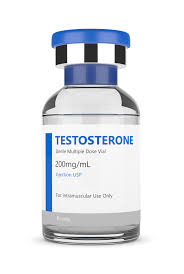
You can buy testosterone – boldenone stack at www.24HoursPPC.ORG
Posted on

Testosterone Propionate vs. Cypionate: Understanding the Difference

For individuals prescribed testosterone replacement therapy (TRT) or those exploring hormone optimization, the terminology can quickly become confusing. One of the most common points of confusion is the difference between various esters of testosterone—most notably, propionate and cypionate.

While both forms deliver the same active hormone, their behavior in the body differs significantly. Understanding these differences is essential for making informed decisions in a clinical setting.

The Role of the Ester

Testosterone itself has a short half-life. To make it usable for injection, it is attached to an “ester”—a chemical chain that controls how quickly the hormone is released into the bloodstream after injection. Think of the ester as a time-release mechanism. The two most common esters are propionate and cypionate.

Testosterone Cypionate: The Long-Acting Standard

Testosterone cypionate is the most widely prescribed form of testosterone in the United States.

  • Ester Length: Long-acting.

  • Release Time: After injection, it creates a sustained release over approximately 8 to 10 days.

  • Dosing Frequency: Typically administered once every 7 to 14 days, though many clinicians now favor weekly or bi-weekly injections to maintain stable levels.

  • Pros: Requires fewer injections per month, making it convenient for long-term therapy. It provides a relatively steady release of testosterone.

  • Cons: Because it remains in the system longer, if side effects occur (such as elevated estrogen or polycythemia), they can take longer to resolve after an adjustment in dosing.

Cypionate is often preferred for men with hypogonadism (clinically low testosterone) who prioritize convenience and do not mind a slightly slower onset of effects.

Testosterone Propionate: The Short-Acting Alternative

Testosterone propionate is an older, shorter-acting ester. While less common in the US for standard TRT, it remains popular in other regions and in certain clinical scenarios.

  • Ester Length: Short-acting.

  • Release Time: It has a rapid onset and a half-life of only 2 to 3 days.

  • Dosing Frequency: Requires frequent administration, typically every other day or three times per week.

  • Pros: Offers greater control over blood levels. Because it clears the system quickly, if a patient experiences side effects (such as acne, mood swings, or excessive estrogen conversion), they can adjust the protocol rapidly. It also tends to cause less water retention compared to longer esters.

  • Cons: The frequent injection schedule can be inconvenient and uncomfortable for some patients.

Propionate is often chosen by individuals who are sensitive to hormonal fluctuations and prefer tighter control over their serum levels.

Head-to-Head Comparison

Feature Testosterone Cypionate Testosterone Propionate
Ester Type Long Short
Half-Life ~8 days ~0.8 days (20 hours)
Typical Dose Frequency Weekly or bi-weekly Every 2–3 days
Onset of Action Slow, sustained Rapid
Water Retention Higher potential Lower potential
Injection Volume Larger doses per injection Smaller doses per injection
Ideal For Convenience, stable baseline Precision, fine-tuning levels

Which One Is Right?

There is no universally “better” option; the choice depends on individual physiology, lifestyle, and treatment goals.

  • Cypionate is often the first-line choice for men beginning TRT due to its convenience and well-established track record.

  • Propionate is frequently considered for those who experience side effects from longer esters, such as estrogenic symptoms (moodiness, gynecomastia) or polycythemia (elevated red blood cell count), as the rapid clearance allows for quicker adjustments.

You can purchase testosterone at 24HoursPPC.HK