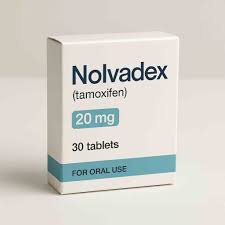
In the world of physique enhancement and performance training, maintaining hormonal balance is a central concern. Among the various compounds that have found a place in this landscape, Nolvadex—known scientifically as Tamoxifen Citrate—stands out as one of the most recognized and widely discussed. Its origins, mechanism, and applications have made it a subject of considerable interest among athletes and bodybuilders alike.
Origins and Primary Purpose
Nolvadex is a potent nonsteroidal anti-estrogen. It was originally developed for a distinctly different purpose: the treatment of estrogen-sensitive cancers, particularly breast cancer. In that medical context, its role is to interfere with the action of estrogen in certain tissues, thereby helping to manage conditions where estrogen plays a driving role.
However, over time, its unique properties caught the attention of the athletic community. Bodybuilders and athletes who incorporate certain compounds into their training regimens began to recognize Nolvadex as a valuable tool for managing the hormonal fluctuations that can arise from the use of aromatizing substances. Today, it is one of the most commonly discussed agents in the context of post-cycle therapy and estrogen management.
Why Estrogen Management Matters
For individuals who use anabolic steroids, a significant concern is the elevation of estrogen levels. Many steroids undergo a process called aromatization, where they convert to estrogen within the body. This can lead to a range of unwanted effects that are at odds with the goals of achieving a lean, hard, and aesthetically balanced physique.
Additionally, prolonged use of exogenous androgens can suppress the body’s natural production of testosterone. When endogenous androgen levels drop, estrogen can become the predominant hormone, further exacerbating the imbalance. Managing this delicate hormonal equilibrium is therefore a priority for those seeking to maintain both physical results and overall well-being.
How Nolvadex Works
Nolvadex operates through a mechanism known as competitive binding. It works by attaching to estrogen receptor sites in various tissues—such as those in breast tissue—without activating them. By occupying these receptor sites, it effectively blocks estrogen from binding and exerting its effects.
This selective action is what makes Nolvadex a selective estrogen receptor modulator (SERM). Unlike compounds that simply lower estrogen levels throughout the body, Nolvadex acts as a gatekeeper, preventing estrogen from triggering responses in specific tissues while allowing it to function elsewhere. This targeted approach is central to its utility.
Preventing Estrogen-Related Effects
The primary reason Nolvadex is utilized in bodybuilding circles is its ability to help prevent a range of estrogen-related effects. Among the most commonly cited concerns are:
-
Edema (Water Retention): Excess estrogen can cause the body to hold onto subcutaneous water, leading to a smooth, puffy appearance that obscures muscle definition. Nolvadex helps mitigate this, allowing for a harder, more refined look.
-
Gynecomastia: Often referred to as “gyno,” this condition involves the development of excess breast tissue in men. It is one of the most feared side effects among athletes using aromatizing compounds. By blocking estrogen at the breast tissue receptor sites, Nolvadex plays a significant role in preventing this issue.
-
Female Pattern Fat Distribution: Elevated estrogen levels relative to androgens can promote fat storage in areas typically associated with female fat distribution, such as the hips, thighs, and lower abdomen. Nolvadex helps maintain a more favorable androgen-to-estrogen balance, supporting a leaner, more masculine fat distribution pattern.
The Role in Post-Cycle Therapy
One of the most critical applications of Nolvadex is as a cornerstone of post-cycle therapy (PCT). After a period of using exogenous androgens, the body’s natural testosterone production is often suppressed. During this time, the ratio of androgens to estrogen can become unfavorable, increasing the risk of the effects described above.
By incorporating Nolvadex into a post-cycle protocol, athletes aim to:
-
Block estrogen activity during the recovery window.
-
Support the restoration of the body’s natural hormonal axis.
-
Preserve the hard-earned muscle tissue achieved during the cycle.
Its use during this transitional period is widely regarded as a standard practice among those who prioritize hormonal recovery and the maintenance of their physique.
Effectiveness and Popularity
Among the various options available for estrogen management, Nolvadex has earned a reputation as the most popular anti-estrogen among steroid users. Its widespread adoption can be attributed to several factors:
-
Proven Mechanism: Its competitive binding approach is well-understood and reliably effective for many individuals.
-
Favorable Profile: It is generally well-tolerated, with minimal reports of adverse effects among athletes using it for its intended purpose as an anti-estrogen.
-
Consistency: While it may not be 100% effective for every individual, it demonstrates a high level of effectiveness for the majority of users.
For many bodybuilders, the reliability of Nolvadex allows them to pursue their training goals with greater confidence. Some have reported that it works so effectively that they are able to use potent aromatizing compounds even in the final stages of contest preparation, provided they are stacked with Nolvadex. This level of control over estrogen activity enables athletes to maintain a dry, hard, and competition-ready appearance while still utilizing compounds that might otherwise cause unwanted water retention or other effects.
Dosing Considerations
In the context of estrogen management and post-cycle therapy, Nolvadex is typically used at moderate doses. The majority of reported protocols involve a daily dosage ranging from 10 mg to 20 mg. This range is considered sufficient for achieving the desired anti-estrogenic effects for most individuals.
The flexibility of dosing allows users to tailor their approach based on their specific needs, the compounds they are using, and their individual response. Some may find that lower doses are adequate for maintenance, while others may prefer the higher end of the range during more intensive phases or when using strongly aromatizing substances.
A Practical Approach to Hormonal Balance
For those engaged in serious bodybuilding or physique training, the concept of hormonal balance extends beyond simply building muscle. It encompasses the preservation of a lean, defined appearance, the prevention of unwanted physical changes, and the support of recovery between training phases.
Nolvadex fits into this broader philosophy as a tool that helps maintain equilibrium. By addressing the challenges posed by elevated estrogen or suppressed androgen levels, it allows athletes to focus more fully on their training, nutrition, and overall progression without the distraction of estrogen-related complications.
Conclusion
Nolvadex (Tamoxifen Citrate) has carved out a distinct and enduring place in the world of bodybuilding and performance enhancement. Originally designed for the treatment of estrogen-sensitive cancers, its mechanism as a competitive binder to estrogen receptors has made it an invaluable resource for athletes seeking to manage the effects of aromatizing compounds and support post-cycle recovery.
From preventing gynecomastia and water retention to aiding in the preservation of a hard, defined physique, its applications are both practical and widely recognized. While it may not be universally 100% effective, its consistent performance for the majority of users has cemented its status as the most popular anti-estrogen in its category.
With typical dosages ranging from 10 mg to 20 mg daily, it offers a straightforward and reliable approach to maintaining hormonal balance, allowing athletes and bodybuilders to pursue their goals with greater control and confidence.
You can purchase Nolvadex (tamoxifen citrate) at www.24HoursPPC.HK

 English
 Dansk
Dansk Nederlands
 Français
 Deutsch
 Italiano
 Norsk bokmål
 Polski
 Português
 Slovenščina
 Español
 Svenska
 Türkçe